
Celebrating Our Teammates on Veterans Day
Cook Children’s gives a Veterans Day shoutout of thanks and honor for those across our health care system who served in the U.S. military.
The Cook Children’s Veterans Group represents and supports our teammates who are veterans, as well as immediate family of those currently deployed. The group strives to raise awareness and recognition through the Blue Star Banner Program and other initiatives. Blue Star banners are displayed to represent family members who are actively serving.
If you know a teammate who could benefit, or if you’re interested in joining, please contact CCVGLeadership@cookchildrens.org.
Veterans Group Leadership:
- Executive Sponsor: Colby Corbett, Vice President of Finance at Cook Children’s Home Health
- Chair: Jenny Wright, RN at ENT-Fort Worth
- Co-Chair: Jeremy Jameson, Director of Leadership & Organizational Development
- Treasurer: Melissia Hampton, Laboratory Education Specialist
- Secretary: volunteer needed
We tapped Melissia and Jeremy for insight into the dedication and collaboration that military veterans bring to their roles at Cook Children’s. Here’s what they shared.
 Melissia Hampton
What was the most valuable professional skill you gained during your time in uniform?
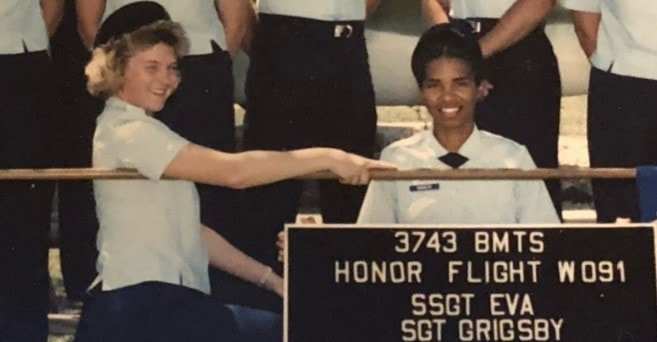
I was in the U.S. Air Force for 3 ½ years in the Medical Laboratory field. It has been a while since I got out of the Air Force, however I remember taking pride in my work and the contribution I made to the care of fellow soldiers and their families.
Can you share one military experience that best demonstrates your approach to teamwork or problem-solving?
I was stationed in England, and it was during the time of Desert Shield. Our base was assigned the duty of collecting blood units, testing them and getting them ready to ship to be closer to the conflict. We were also trained to be able to prepare packed red blood cells to be frozen for longer storage. This took all of our lab team and others on base to get this accomplished.
 What is one piece of advice you would give to someone transitioning into a civilian career?
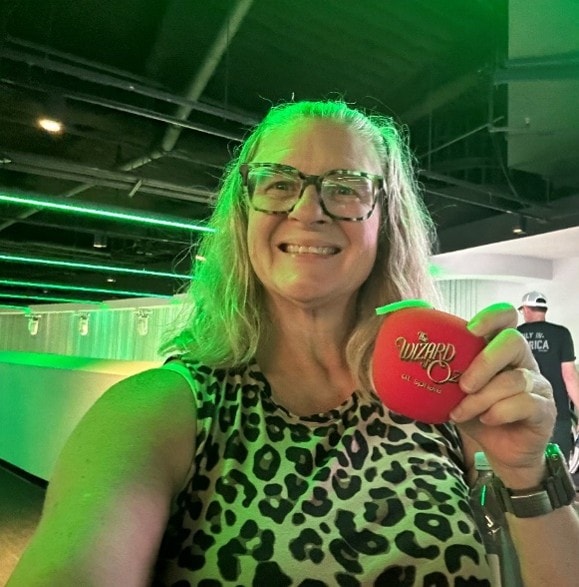
My advice would be to start planning for your transition before you leave the military. Research the civilian careers that your military experience has prepared you for but also remember that your value goes beyond your job title. Military service develops skills that employers highly respect, including working under pressure, staying task-focused, adapting to change and collaborating with others to accomplish a mission. Those qualities can help you succeed in almost any career field.
Is there a motto or principle from your service that still guides your work today?
The Air Force motto during my time was “Aim High.” I have always had high expectations for myself and expect that of the people I have worked with.
Jeremy Jameson
 What was the most valuable professional skill you gained during your time in uniform?
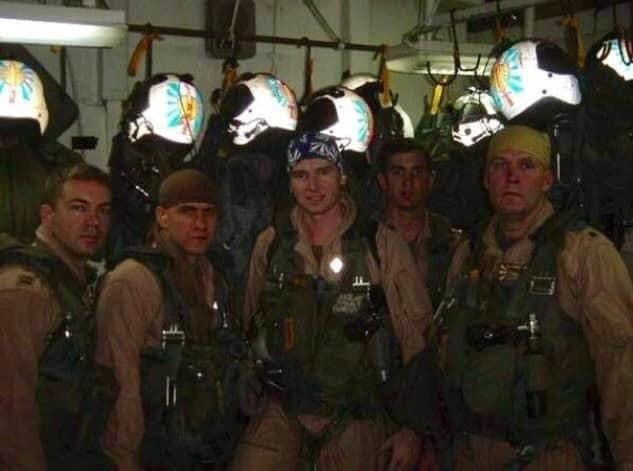
I served for 20 years in the U.S. Navy as a Naval Flight Officer. Throughout my career, I learned many technical and leadership skills, but the most valuable lesson was understanding how high-performing teams operate under pressure. Aviation taught me the importance of trust, preparation and clear communication. When the stakes are high, success depends on every person knowing their role, being accountable for their responsibilities and contributing their expertise to accomplish the mission.
Can you share one military experience that best demonstrates your approach to teamwork or problem-solving?
My time flying in the Navy shaped my approach to teamwork more than any other experience. Every mission required a team effort where each person, regardless of rank, brought critical information and expertise to the table. Pilots, flight officers, maintainers, and support personnel all played a role in mission success. Teamwork wasn't something we talked about, it was simply how we operated. Everyone understood their responsibilities and trusted one another to perform them.
When challenges arose, we relied on open communication, diverse perspectives and shared accountability to make the best decisions possible. That experience reinforced my belief that the best solutions come from teams where every voice matters and where individuals are united by a common purpose.
 What is one piece of advice you would give to someone transitioning into a civilian career?
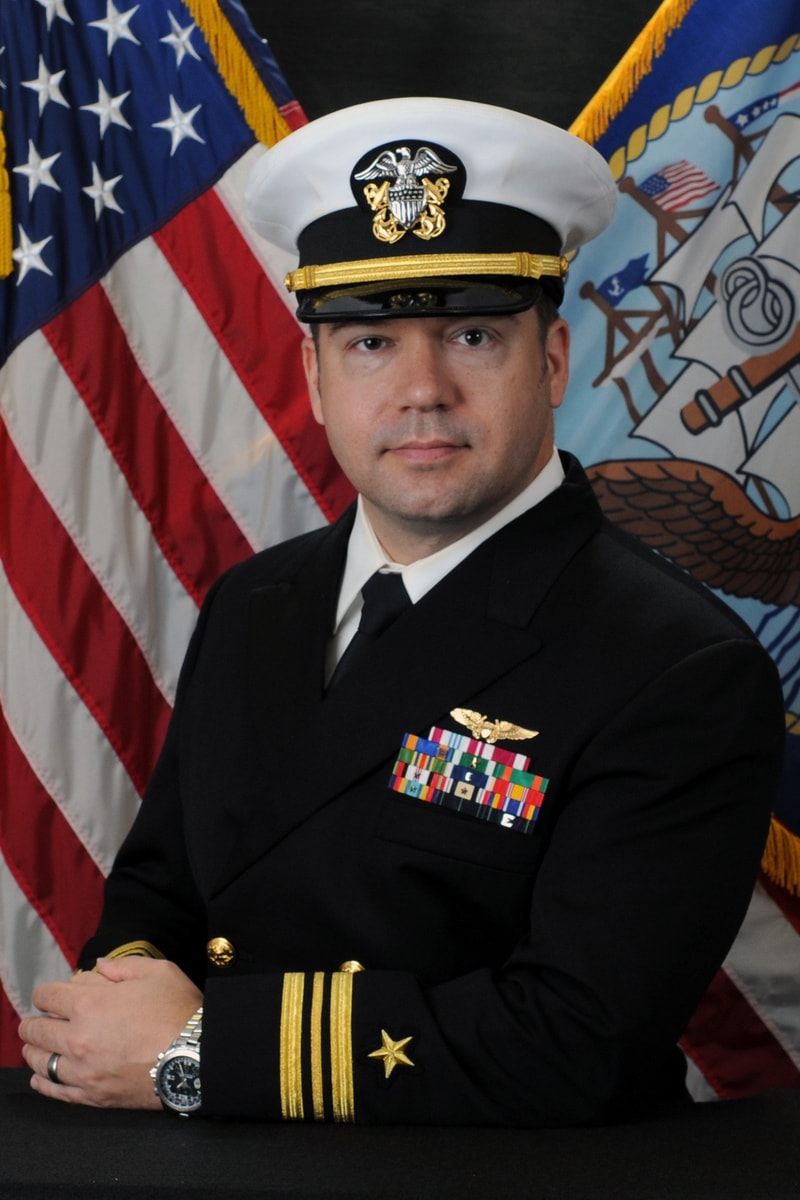
Don't underestimate the value of what you've learned in the military. While your new civilian role may look different, the qualities that helped you succeed in uniform -- leadership, adaptability, resilience, accountability and teamwork -- are needed in every organization. I would also encourage veterans to be confident in sharing their experiences. Military service develops skills that translate exceptionally well to the civilian workforce. Focus less on translating job titles and more on communicating the impact you made, the people you led and the challenges you solved.
Is there a motto or principle from your service that still guides your work today?
One principle that continues to guide me comes from my time as a program exchange instructor with the U.S. Air Force Weapons School. Their values of being humble, approachable, and credible made a lasting impression on me and continue to influence how I lead and work with others today.
At the same time, I carry forward a belief that was reinforced throughout my Navy career: Mission first, people always. Great organizations stay focused on achieving results, but lasting success only happens when we genuinely invest in and care for the people who make the mission possible. I have found that when you take care of your people, they are capable of accomplishing extraordinary things.
Comment below with your photo of an employee or group of employees who served our country. Please be sure to include their name or the department name.
To read last year's feature click here.