
Q&A for Veteran's Day
This Veteran's Day we celebrate those who served our country and continue their public service to our patients.
Please read a Q&A from a few of our employees who served about their experiences.
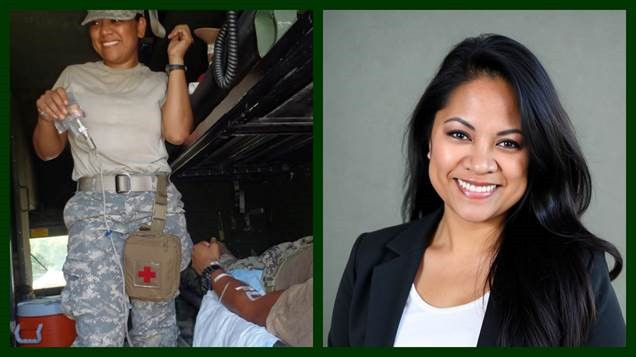 Jenny Wright, RN at ENT- Fort Worth
What branch of the military did you serve in, and what was the most valuable professional skill you gained during your time in uniform? I proudly served in the U.S. Army as a 68W Combat Medic. My time in uniform shaped who I am as a nurse today. Being an Army medic taught me to always keep learning and adapting, because in medicine, things can change in seconds. I learned to ask questions, to earn my patients’ trust, and to listen with compassion and without bias. Those lessons became the foundation of my bedside manner and the way I care for patients now.
Can you share one military experience that best demonstrates your approach to teamwork or problem-solving? I believe medics have one of the toughest and most meaningful jobs in the Army. We’re often the first to respond in high-stress situations, and we have to find ways to save lives with whatever resources are available. That experience taught me resilience, quick thinking, and how to rely on teamwork when it matters most. In the field, you learn that success doesn’t come from one person, it comes from everyone working together toward a single goal. That mindset continues to guide how I approach challenges in healthcare today.
What is one piece of advice you would give to someone transitioning out of the military and into a civilian career? Transitioning from military to civilian life can be overwhelming, but it helps to know you’re not alone. My biggest piece of advice is to connect with other Veterans, especially those who have already made the transition. They understand the challenges and can offer perspective and encouragement. I also recommend finding mentors in the field you want to join, they can help bridge the gap between military and civilian work and show you how your skills transfer in meaningful ways.
Is there a motto or principle from your service that still guides your work today? One motto that’s always stayed with me is something my platoon leader taught our platoon, “Bottom up.” To me, that means great leadership starts from understanding every level of the team. You can’t lead effectively unless you’ve stood in the same place as those you’re leading. That perspective keeps me grounded and reminds me that everyone plays an important role, no matter their position.
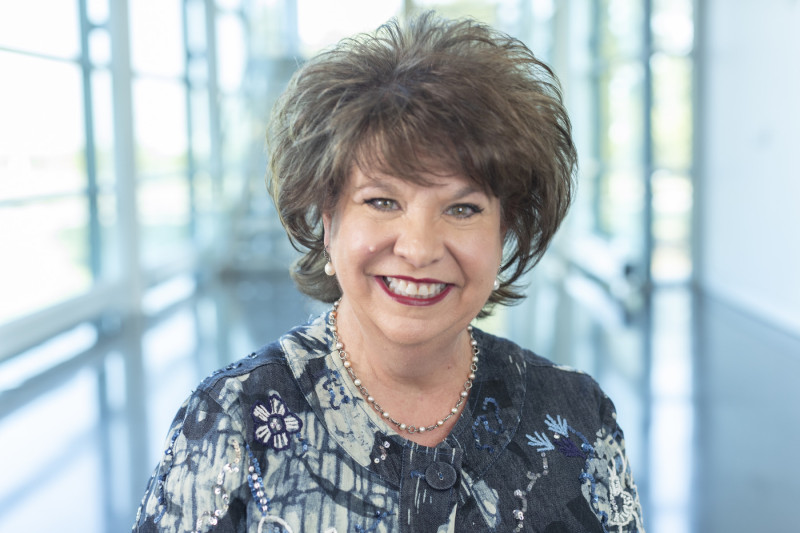 Tonya K. Fuqua, D.D.S., at Cook Children’s Center for Community Health
What branch of the military did you serve in, and what was the most valuable professional skill you gained during your time in uniform? I served in the United States Air Force (USAF) from 1995-1999 as an active-duty dental officer. I was proud and honored to serve as Mass Disaster Team Chief.
Can you share one military experience that best demonstrates your approach to teamwork or problem-solving? Pretty much everything we did, we did as a team and for the team. I was honored to be chosen to lead a team of enlisted folks to serve when there would be an instance of stateside, peacetime mass disaster. We had to work swiftly, in unison and with a sense of calmness and humility. We took our job and practice in this space seriously and always wanted to improve on our response time, the ease of coordination and aspect of how we all just fell into place without even speaking many words. We just got to a point that we trusted and knew each other to be where and when needed. Our team even enjoyed doing mandatory physical workouts together, because we were cohesive and enjoyed being around each other.
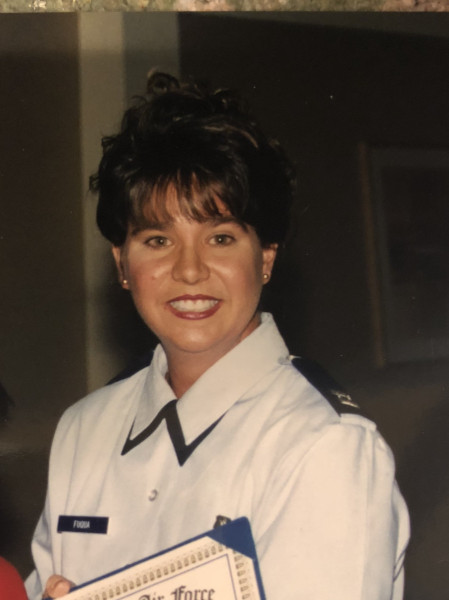 What is one piece of advice you would give to someone transitioning out of the military and into a civilian career? It is hard for people who have served a long career in the military to transition into civilian work, but it is just as hard for young individuals separating that all they know for work to that point is military, which is so different from civilian work. However, the discipline, comradery and work ethic will take you a long way from military transition into the civilian workforce. Take that knowledge, embrace it and show the civilian world what you are made of. Being in the military is a badge of honor that is a springboard for much more in life to come.
Is there a motto or principle from your service that still guides your work today? I was so proud to serve in the USAF as an active-duty dental officer, to not only serve my country, but the ones defending it by making sure they were healthy and ready for whatever was to come. I would not change a thing of the journey I took to where I am today and serving in the military was truly one of the proudest things I have done. I made my dad proud, who served 38 years in the National Guard Army full-time active duty. My guiding principal in life is to serve others and the military gave me the opportunity to do that in a way that is so much bigger than myself.
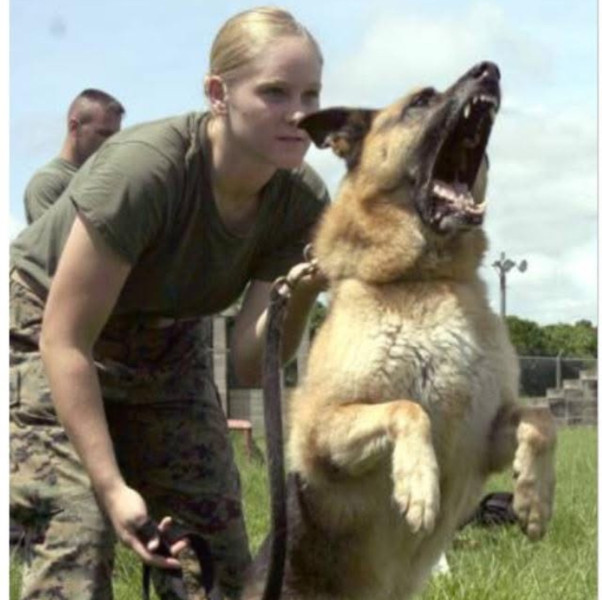 Maria McNamara, MSN, CPNP-AC/PC at PICU Fort Worth
What branch of the military did you serve in, and what was the most valuable professional skill you gained during your time in uniform? I served in the United States Marine Corps, and my most valuable skill is resiliency. You show up: even if you are mad, sad, happy, anxious, scared or whatever emotion is thrown at you. Emotions will change therefore, you don’t lay down, you never give up, and you don't quit. You continue to bounce back and accomplish the mission.
Can you share one military experience that best demonstrates your approach to teamwork or problem-solving? Most everyone has heard the saying, “I’ve got your 6” meaning I have your back. It doesn’t matter where you are you, you look out for your brother or sister in arms at all times. You care for them as much as your family and sometimes more. It doesn't matter if you are on the battlefield or the grocery store, you watch out for each other. Same as in medicine when running a code. You asses the scene, find the need, and jump in, ask questions later. No man is ever left alone.
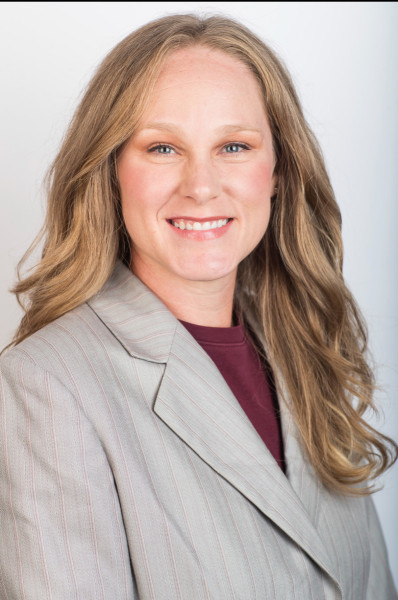 What is one piece of advice you would give to someone transitioning out of the military and into a civilian career? Civilian world is lonely. No more mandatory formations, family fun days, or instant battle buddies. You must actively participate in things to be included. I would highly recommend finding a military group to better empathize your situation. People without military background makes you feel secluded and unable to comprehend the way you process things. Get involved, even when you don’t know want to. It is commonly misunderstood that military tact is confused with being unapproachable and when in a leadership position you appear intimidating. This makes it hard to make friends, but when others understand how loyal you are, they know you always have their 6.
Is there a motto or principle from your service that still guides your work today? “Adapt and overcome.” Medicine is never black and white, therefore always adapting. We are constantly working in the gray finding new challenges to overcome. Ebola no problem, COVID I’m coming for you. We don't take "no" or "I can't" for an answer, we find the solution by adapting and overcoming.
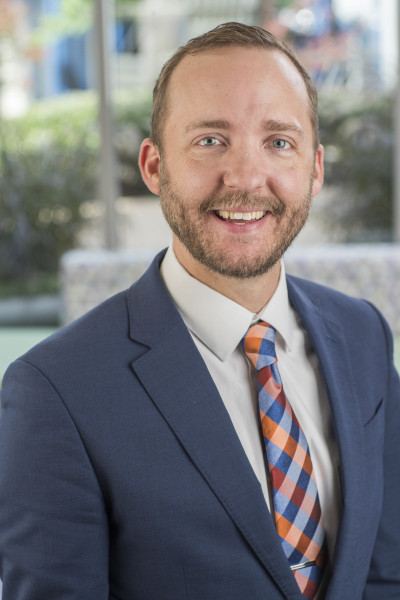 Colby Corbett, Vice President of Finance at Cook Children's Home Health
What branch of the military did you serve in, and what was the most valuable professional skill you gained during your time in uniform? I served in the Air Force, and one of the biggest lessons I took away was how to manage resources. Whether it was people, time, or equipment, you learn quickly how to make the most of what you have to get the job done. Serving as a Financial Management and Comptroller Specialist, I was able to serve in several different capacities to better understand the appropriations and budgeting process for the military and DFAS (DoD department for finance/accounting). That’s helped me in my personal and professional life.
Can you share one military experience that best demonstrates your approach to teamwork or problem-solving? During training exercises on base, we treated every scenario as if we were deployed. It was a full-team effort, coordinating across different sections and areas as responsibility. Quickly adapting and finding solutions together. It showed me how strong teamwork can overcome almost any challenge.
What is one piece of advice you would give to someone transitioning out of the military and into a civilian career? My best advice is to learn how to speak civilian. You already have the skills; they just need to be communicated in a way people outside the military will understand.
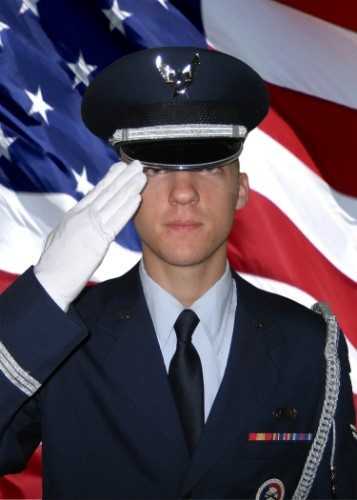 Is there a motto or principle from your service that still guides your work today? The Air Force core values have stuck with me, especially “Excellence in All We Do”. “Integrity First” is another great and simple motto to follow.
Comment below with your photo of an employee or group of employees who served our country. Please be sure to include their name or the department name.
Here is a group photo of veterans in the Real Estate & Construction department:
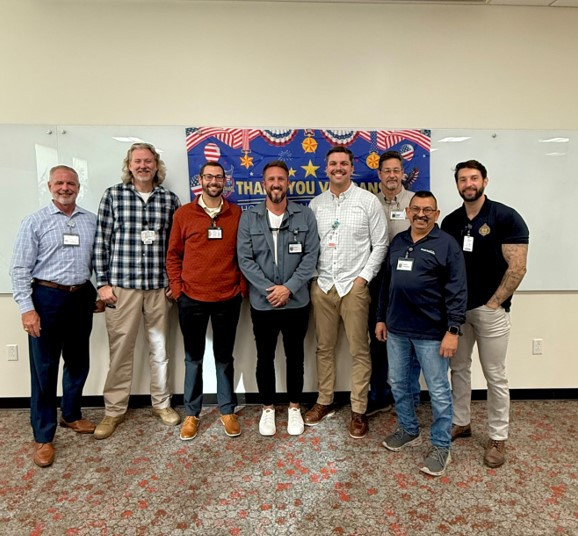
If you would like to join the Cook Children's Veteran's Group please contact CCVGLeadership@cookchildrens.org