
Nurse in the Spotlight: Advocating Beyond the Bedside
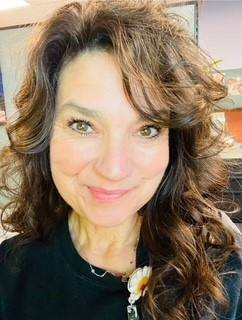 At Cook Children’s, we know nursing extends beyond the bedside. Many of our nurses take on leadership roles, advocate for policy changes, and work to improve nursing practice on a broader scale. One inspiring example is Melissa Schat, LVN, who serves on the Texas Board of Nursing.
Melissa’s journey reminds us that nurses are essential in shaping health care policy. Whether through board service, professional organizations, or everyday patient advocacy, we have the power to make a difference. Thank you, Melissa, for your dedication to nursing and for sharing your experience with us! If you see Melissa, thank her for advocating for patients, families, the community, and you – our nursing workforce.
In this interview, she shares her journey from bedside nursing to board leadership, the impact of her role on nursing practice, and how other nurses can get involved in advocacy.
Q: Can you tell us about your journey in nursing and what inspired you to become an LVN?
I was a stay-at-home mom until my three children all started school. That is when I began my path to becoming a nurse. My stepmom, Betsy, was a Colonel in the U.S. Army Nurse Corps and always encouraged me to pursue a career in nursing.
Q: What motivated you to pursue a Texas Board of Nursing role, and how did the appointment process unfold?
A Board Member contacted me to ask if I might be interested in serving on the Texas Board of Nursing. It has truly been an amazing experience for me both personally and professionally. To become a board member, you must be appointed by the Governor of Texas with the consent of the State Senate. I had an interview with my district Senator, and if chosen by the governor, the appointment must then be confirmed by the State Senate. The Board consists of Registered Nurses (RNs), Licensed Vocational Nurses (LVNs), Advanced Practice Nurses (APNs), and consumer members (who are not medical professionals). We have members with various levels of education and experience.
Q: What are your key responsibilities as a Board of Nursing member, and how do they impact nursing practice across the state?
The mission of the Texas Board of Nursing is to protect and promote the welfare of Texans by ensuring that each licensed nurse in the state is competent to practice safely. As a board, we meet quarterly, but we also have additional meetings throughout the year focused on disciplinary actions and legal matters. The Board oversees licensure for RNs, LVNs, and APNs, as well as the accreditation of nursing education programs in Texas. We investigate complaints and violations of the Nursing Practice Act and advocate for necessary legislative changes to keep nursing regulations current and relevant.
Q: Can you share an example of a policy or initiative you’ve been involved with that has made a meaningful difference in nursing practice or patient care?
As board members, we make important decisions at every meeting. One of the most rewarding aspects is reviewing and approving new nursing programs and ensuring students receive quality education. I’m always surprised by some of the programs that attempt to gain approval in Texas, but we closely monitor them through staff visits, NCLEX scores, and routine reviews.
Another exciting development has been the growth of the Nurse Licensure Compact (NLC). As of January 2025, 43 jurisdictions participate in the NLC, allowing nurses to hold one compact state nursing license and practice in other participating states. This initiative has been transformative for nursing mobility and patient care access, especially as the NLC celebrates its 25th anniversary this year.
Q: What advice would you give to nurses who are interested in getting involved in advocacy or policy work?
Get involved in professional organizations! Consider serving on the Texas Board of Nursing, joining the Texas Nurses Association (TNA), or supporting the Texas Peer Assistance Program for Nurses (TPAPN). TNA organizes a yearly event called Nurse Day at the Capitol, which is happening this year on March 3-4.
TPAPN also needs Peer Support Partners, which is a great way to give back. As nurses, we engage in advocacy every day, whether by caring for patients and families, educating the public, or acting as patient liaisons. I also encourage my colleagues to get involved in Cook Children’s pediatric nurse education opportunities and groups.
Never stop learning! There are so many opportunities for continuing education, and the TBON website is a great resource.
Q: What’s one thing you wish more nurses knew about the Board of Nursing and its role in supporting the profession?
The Board of Nursing is a large agency staffed by some of the most dedicated people, all working hard for the citizens of Texas and for Texas nurses. It has been incredibly rewarding to learn about the daily work being done on behalf of our profession. It truly is an honor to serve on this Board.
Q: Outside of nursing and board service, what do you enjoy doing in your free time?
I’m a proud grandmother and love spending time with my grandchildren. I’m also an animal lover and have recently taken up kayaking, it has been so much fun!
Do you know a nurse who deserves to be featured in an upcoming issue of The Nurses’ Station? We’re looking to highlight nurses for their excellence in clinical care, mentorship, advocacy, community involvement outside of Cook, or any other outstanding contributions that should be shared with our nursing community!
Contact the Center for Nursing Excellence: cne@cookchildrens.org