Research Team Embraces Continuous Improvement with Achieving Lean Six Sigma White Belt Certification

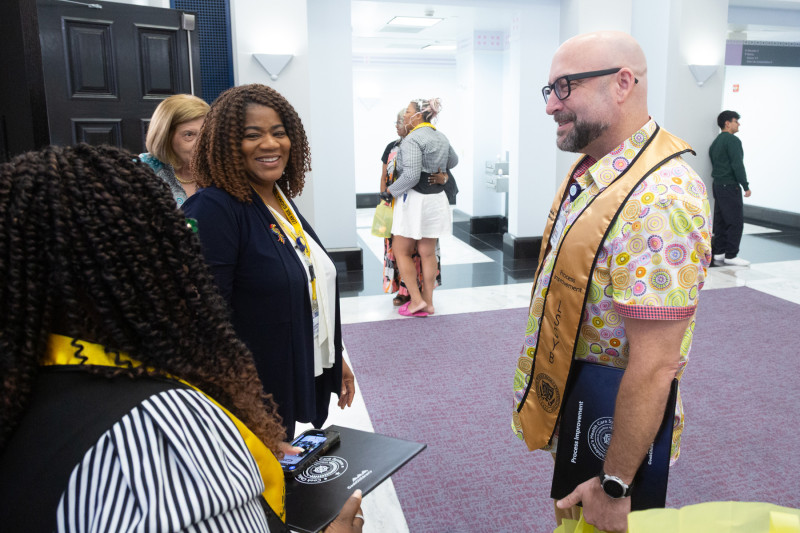
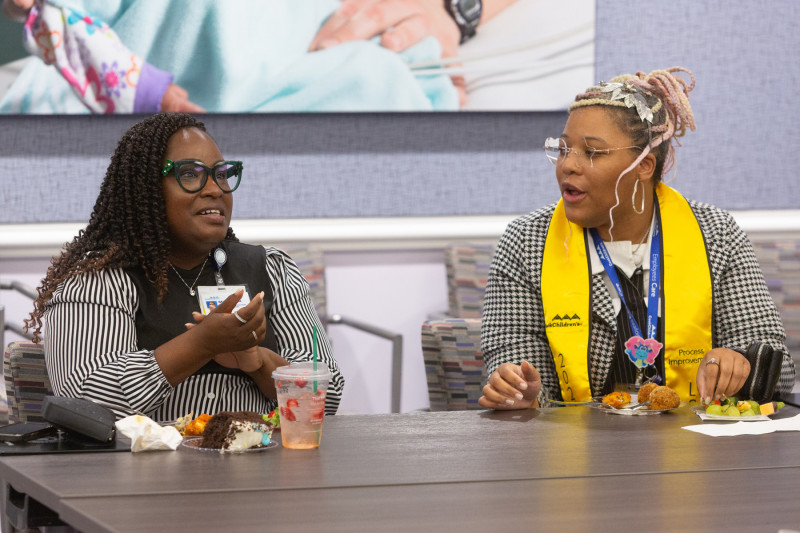
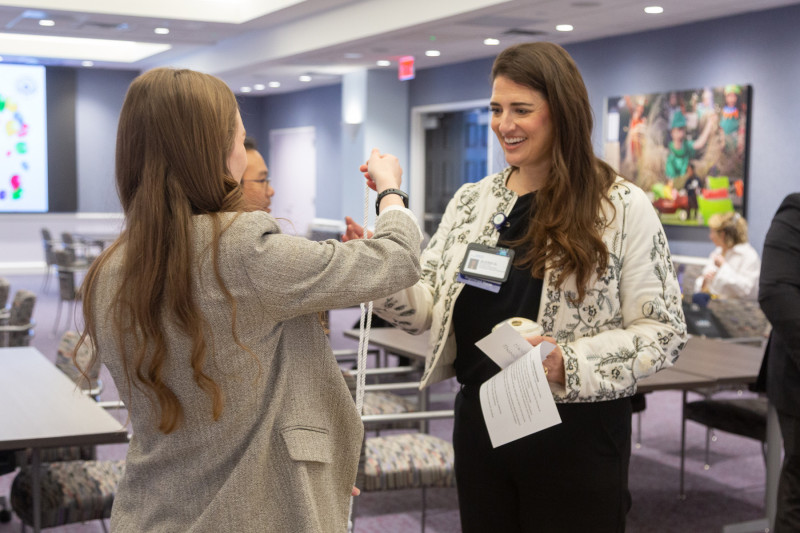
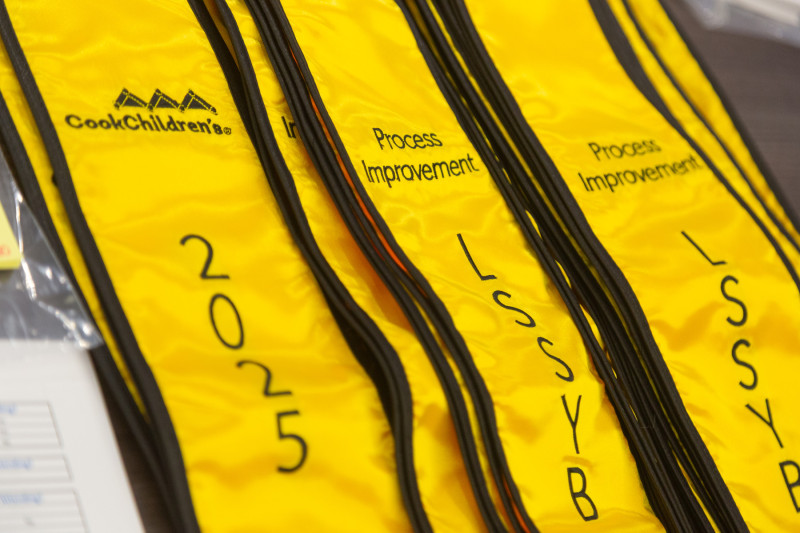
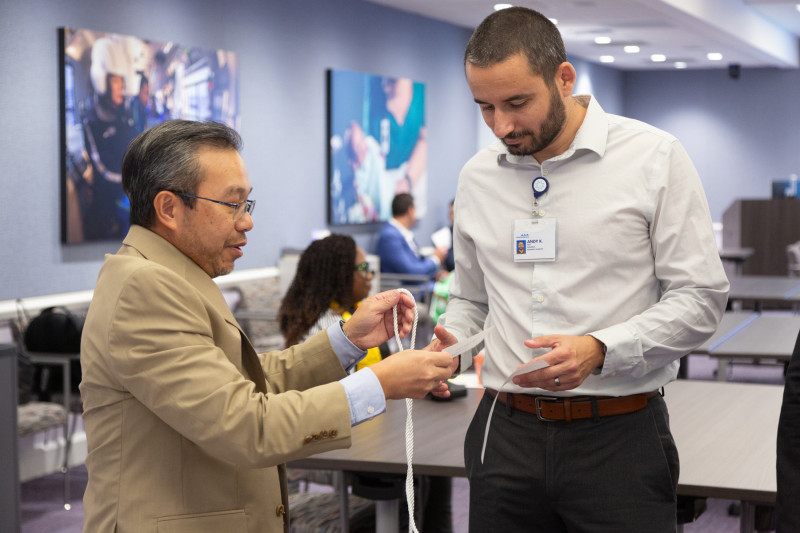
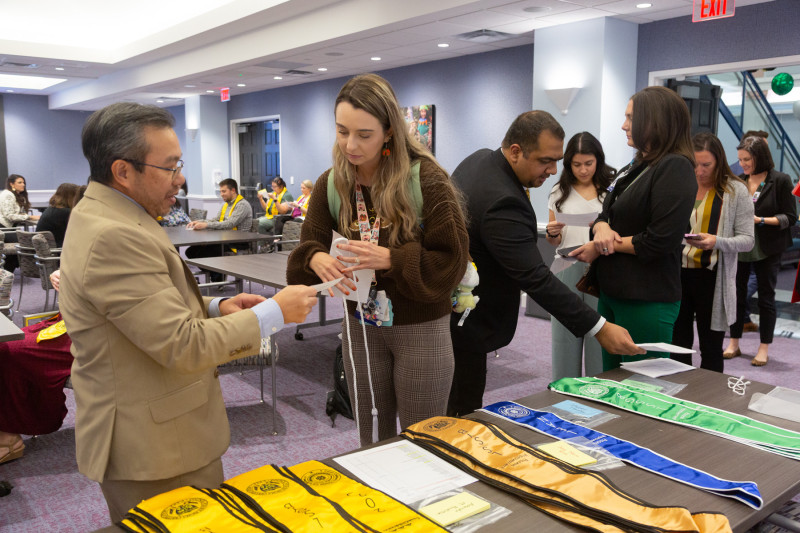
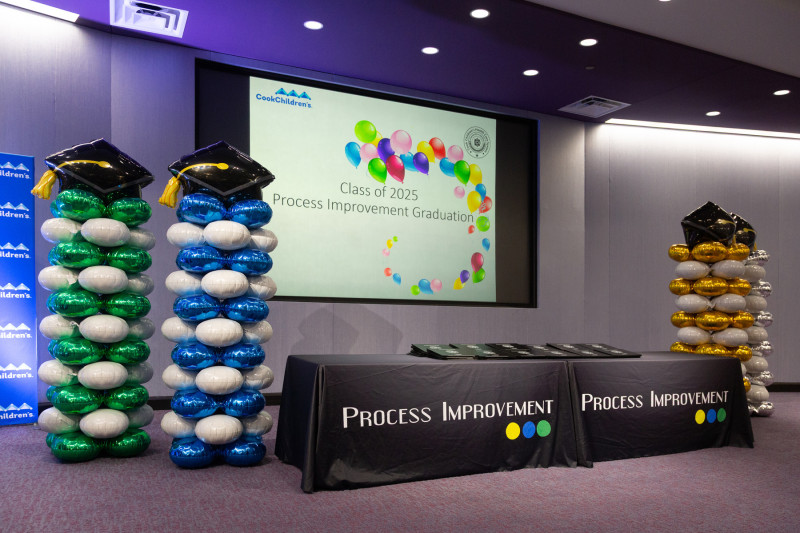
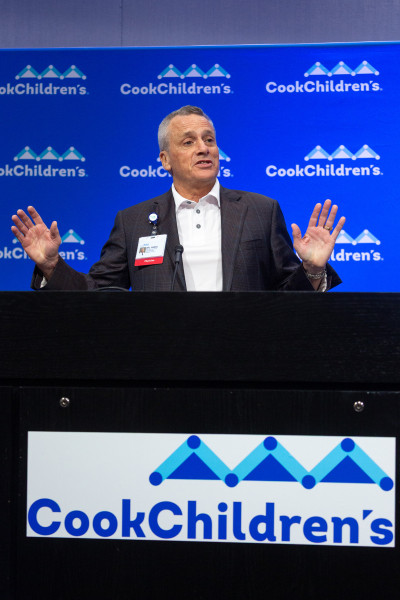
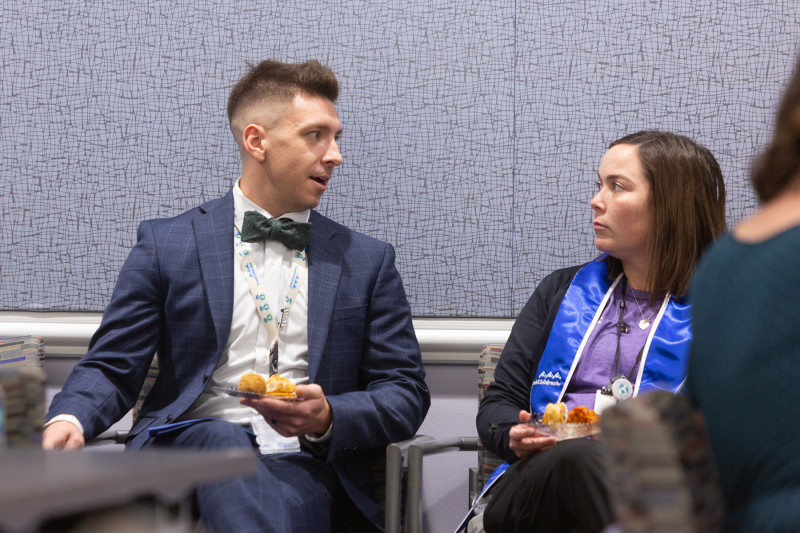
About 100 members of the Research team at Cook Children’s graduated on Oct. 17 with their White Belt certification in the Lean Six Sigma program, led by the Process Improvement team. This major milestone reflects the team’s commitment to fostering a culture of Operational Excellence.
The Process Improvement team at Cook Children’s enhances excellence in our organization through education, facilitation and project management. They are leading the operational excellence strategic initiative to empower employees with the principles of Lean Six Sigma at Cook Children's as a commitment to a new way of thinking to focus on efficiency and effectiveness in everything we do for the child.
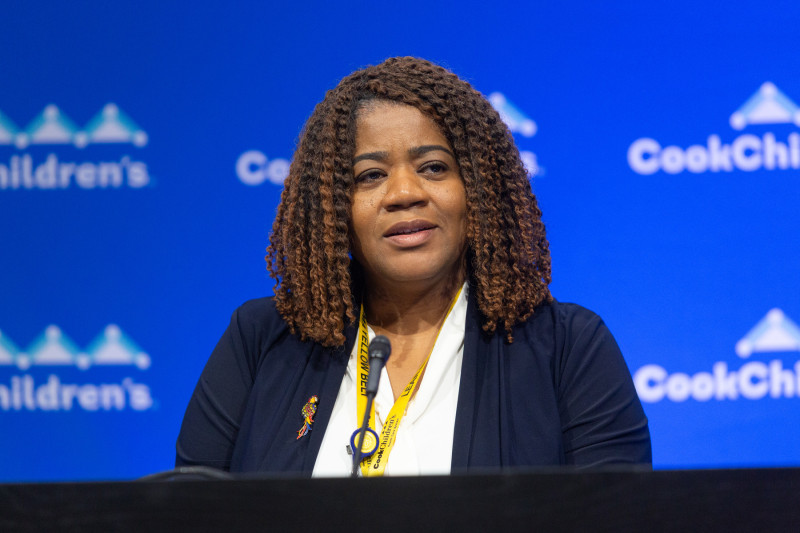
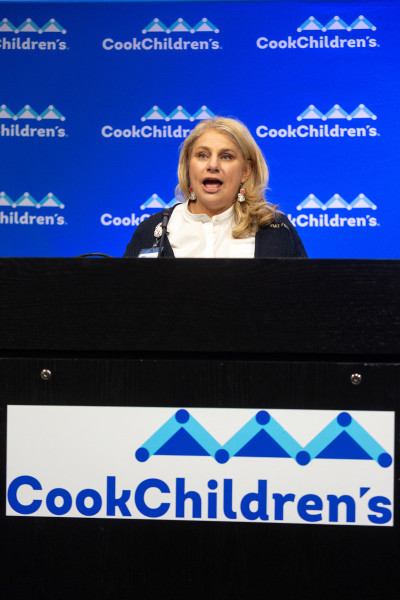
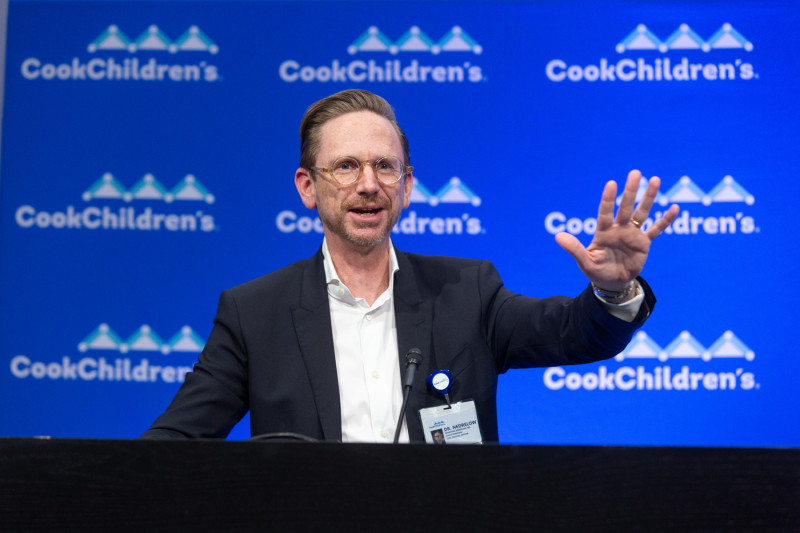
Shernette Kydd, PhD, Assistant Vice President of System Effectiveness and Process Improvement, commends the Research team for successfully completing the White Belt training with 93% of the department now certified. 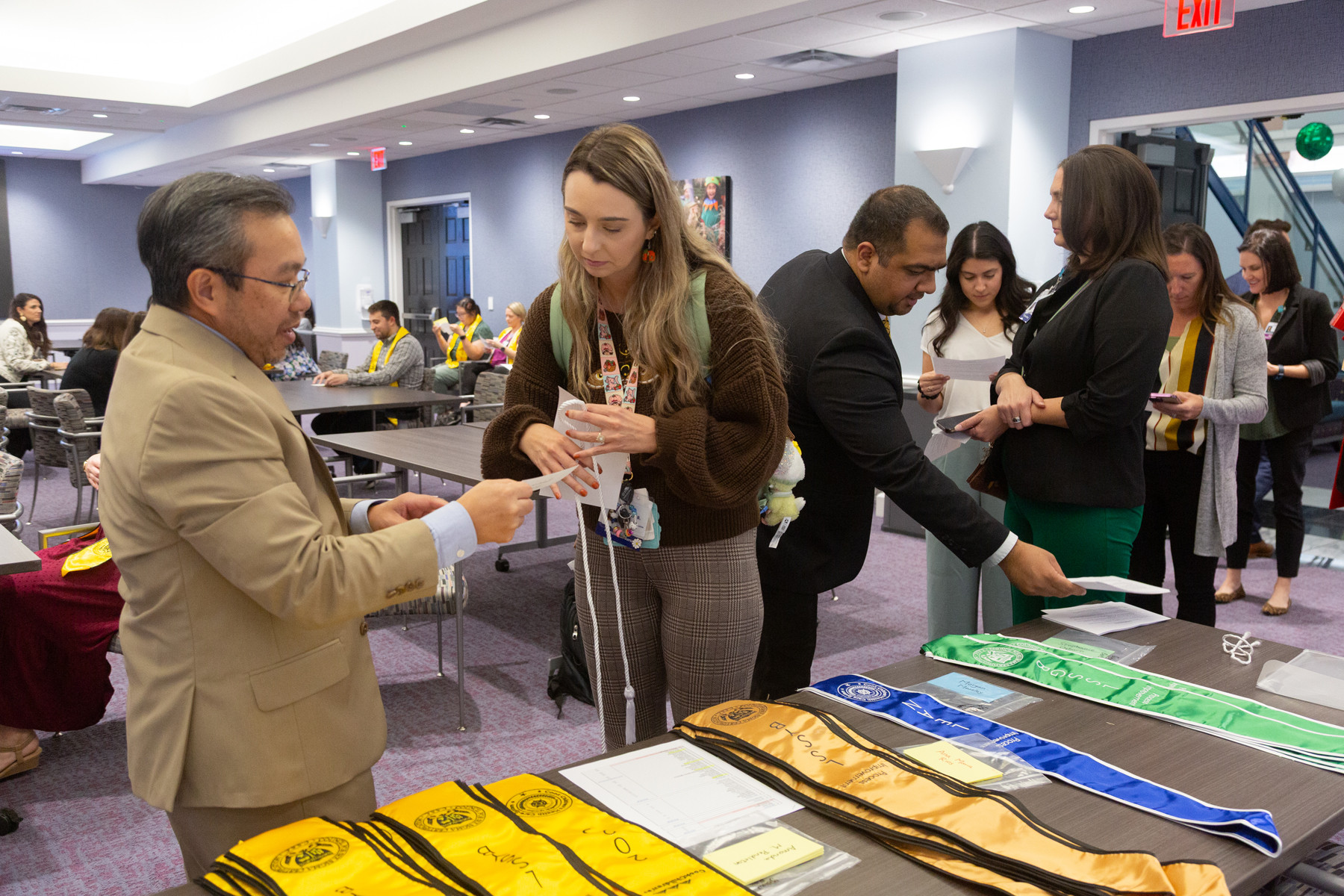
“This milestone reflects their commitment to fostering a culture of continuous improvement,” Dr. Kydd said. “This achievement is the result of the leadership team’s clear vision, under the direction of William Stigall, M.D., Chief Research Officer, to be intentional about exposing staff to the principles of Operational Excellence. By equipping their team with the mindset and tools needed to drive meaningful change, they are laying a strong foundation for sustained improvement. We look forward to supporting them as they apply these principles to enhance their operations and deliver lasting impact.”
Lean and Six Sigma are world-renowned frameworks that are utilized by businesses to design robust and reliable processes. The combination of the two methodologies creates the Lean Six Sigma framework that is poised to reduce waste, streamline processes, reduce defects and eliminate defects typically found in the process.
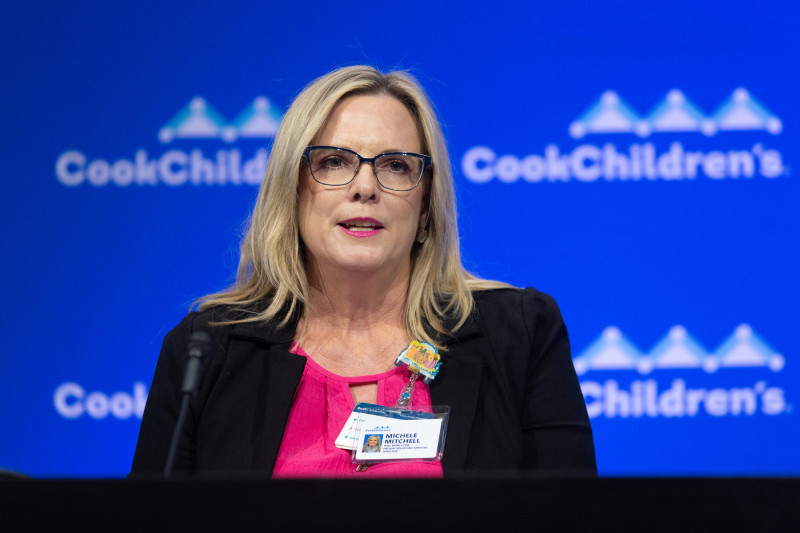
“It really starts with the people and respect for each other,” said Vincent Do, director of Process Improvement. “It’s how we can improve the process when we look at the root cause analysis or process flow efficiencies or effectiveness.”
The Lean Six Sigma framework has multiple levels of expertise and education available, including White Belt, Yellow Belt, Green Belt, and Black Belt. As Do explains, the White Belt training is a foundation to give teams and departments an introduction to the philosophy, tools and techniques of the Lean Six Sigma methodology, which originated in companies like Toyota and Motorola. This philosophy also emphasizes team building and collaboration.
The application of the framework encourages breaking down silos that often plague organizations and also the mindset that “We’ve always done it this way.” Change is constant in health care innovation, so Do says having a framework to examine how each team supports the organizational strategy is key.
“When you can align with the departmental strategy and organizational strategy, it makes this program a little easier,” Do said. “Improving processes is not easy, but we make the connection of the ‘why’ behind it.”
Research Team Embraces Six Sigma
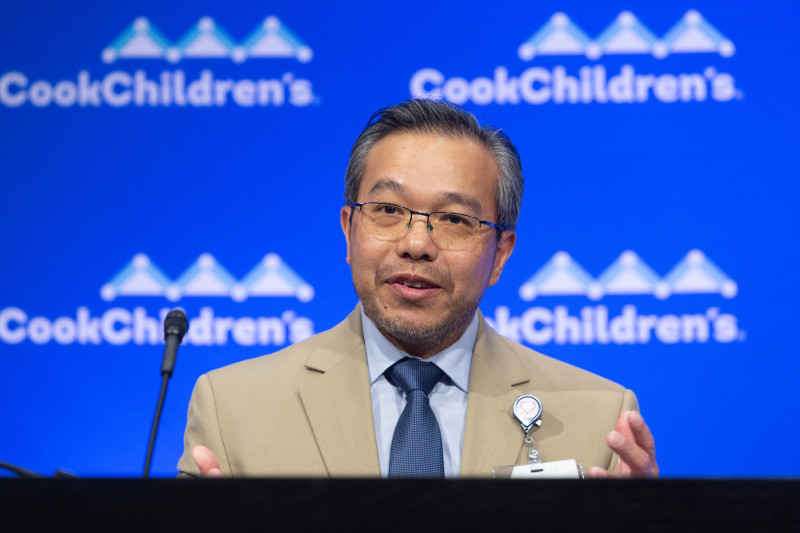
Dr. Stigall, certified Lean Six Sigma Yellow Belt, says he is a big believer in process improvement, Dr. Kydd and her team at Cook Children’s. He says the work is critically important and necessary.
“I'm incredibly excited about this -- it's definitely a beginning, but it's a great step,” Dr. Stigall said. “I'm convinced that PI isn't just a tool, it's a mindset. Imagine a world where every time someone encountered something inefficient or ineffective or dangerous and they were empowered to make a small step to change that. Multiply all those small steps by all the times we actually do encounter this and then multiply that by the 100 Research Administrative Office staff who now have that power.”
The scientists who make up the Research team are naturally drawn to data-driven methodologies. The Six Sigma approach provides a structured framework to examine workflows and move past the immediate issue into performing a root cause analysis. This identifies the true source of a challenge, or an Opportunity for Improvement (OFI.)
The Lean mindset teaches teams to:
- Understand Current Conditions: Honestly assess the existing process and workflow.
- Go and See (Gemba): Verify the process in the actual "workplace," whether that's a lab or the Epic system, rather than relying on assumptions.
- Identify Countermeasures: Develop solutions or improvements that continuously refine the process, knowing that “change is constant.”
The Research team is pioneering this level of broad engagement with their team members and their success is an example for the rest of Cook Children’s employees. The strong support from Dr. Stigall in this endeavor has been critical, Do says.
“It’s really admirable of the Research team to be willing to learn from each other and learn where they can improve all together,” Do said. “It’s a long-term investment with our people and it’s proven to be very strong.”
For the certified White Belts, the process continues as they actively participate in their team’s process improvement efforts. The Lean Six Sigma program is a strategic intent of the Process Improvement department to facilitate and support our Journey to Preeminence. A system-wide process improvement strategy ensures we remain competitive, as we balance industry dynamics that are continuously evolving.
The Lean Six Sigma program presents similar opportunities for improvement and solutions at similar companies, which helps provide insight and solutions for new processes.
The partnership between the Research team and Process Improvement demonstrates that all departments, regardless of focus — from science to clinical care to non-clinical to administrative positions — can utilize a common framework to achieve excellence.
“We can customize an educational program for any department and we encourage the leaders to reach out and learn how they too can arm their employees with a mindset of excellence,” Dr. Kydd said.
The Process Improvement team encourages other departments to reach out and learn how they can start their own Lean Six Sigma journey to improve collaboration, transparency and operational effectiveness.