
Winter Weather Preparation 2026
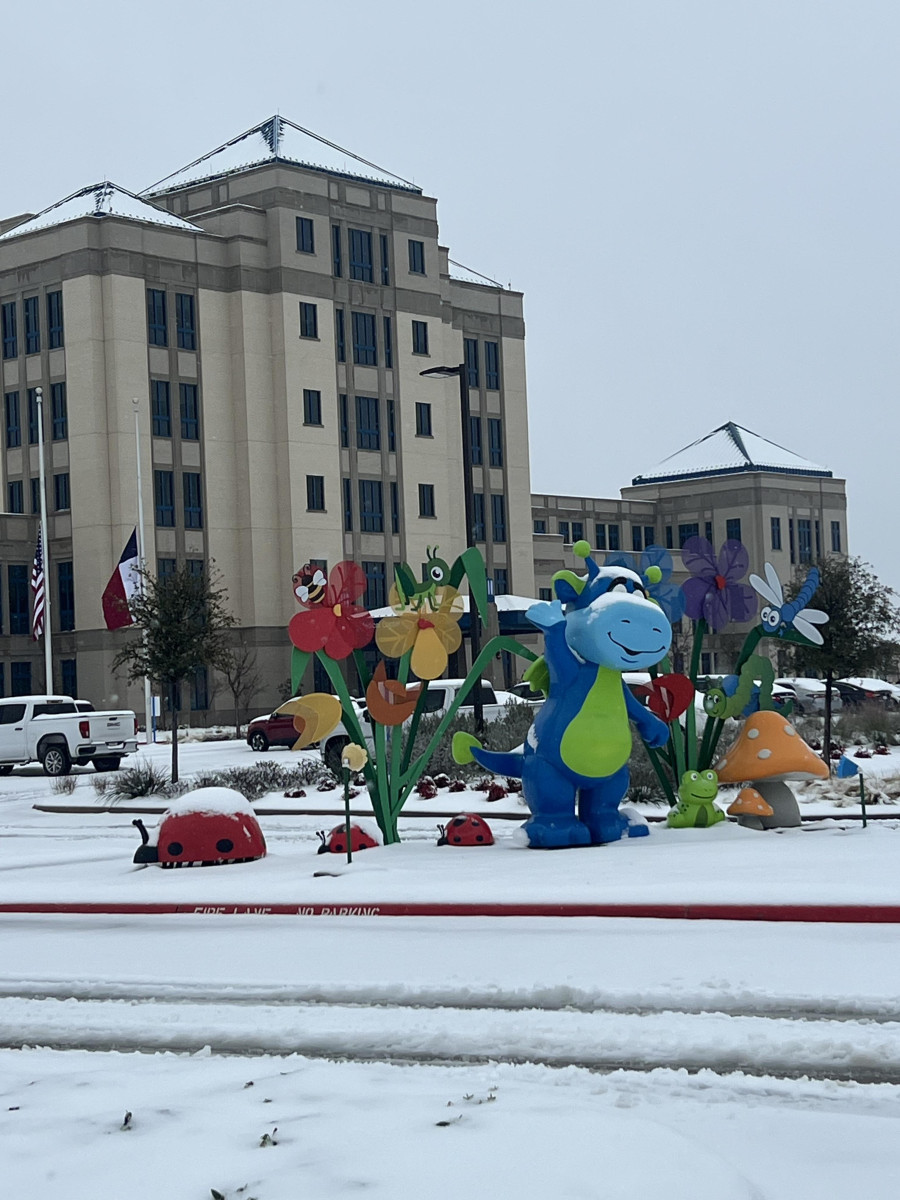
Cook Children's is preparing to help make sure that facilities are ready to handle winter weather if it arrives so that patients can be served and employees can get to work safely.
We are closely tracking weather and road conditions. Should road conditions become unsafe, we will activate contingency plans for staff to remain on-site between shifts. Please monitor CookNet and be in contact with your leader to stay up to date on plans for your area.
Here are some tips and resources.
Create an emergency plan
This plan should include an alternative plan for childcare or pet care, if applicable, if you can’t make it home immediately.
Make sure you know important phone numbers in case your phone battery runs out of power, such as your child’s school, emergency contacts, and/or neighbors.
Prepare your home for inclement weather.
- Seal windows and doors
- Check your heating systems
- Insulate exposed pipes and install outdoor faucet covers
- Build an at-home emergency kit
- Stock up on bottled water and nonperishable foods
- Test smoke alarm and carbon monoxide alarm batteries
Your Go-Bag Guide
Make sure you are prepared in case you have to stay at work after your shift due to bad weather.
It is important to prepare a disaster supplies kit before bad weather hits. A disaster supplies kit is a collection of basic items you may need in the event of an emergency. No one wants to get stuck at work without a phone charger, pajamas or their toothbrush. Keep the go-bag in an accessible spot, like your car or work station.
Here are other items we recommend packing in your go-bag:
- Cook Children’s badge
- Phone charger and power bank
- Headphones
- Toothbrush and toothpaste
- Face wash and soap
- Other personal toiletries items, including a towel
- Prescription medications and glasses
- Cash and change
- Warm blanket and/or pillow
- Non-perishable snacks, water and nonalcoholic drinks
- Change of clothing, uniforms, undergarments, and sleepwear
- Books, iPads, Kindles, games, puzzles or other activities
- Sound-dampening ear protection (soft ear plugs)
- Light-blocking sleeping mask
- Comfortable shoes and socks
Sign up for emergency alerts
- Sign up for emergency alerts for your home and work area.
- Check road conditions at Drive Texas
- Tarrant County Emergency alerts: Sign up here
- Fort Worth CodeRED Mobile Alerts: Sign up here
- Prosper Smart911: Sign up here
- Lubbock alerts: Sign up here
- Denton alerts: Sign up for Alert Denton here.
When cold weather hits, here are some tips to protect your home:
- Open cabinets under sinks to let your house’s heat warm the pipes.
- Let faucets drip from the cold and hot taps or run water through your indoor faucets – hot and cold -- before you go to sleep.
- If your pipes freeze, turn off the water at the shutoff valve. This prevents broken pipes from leaking into your house after they thaw.
- Make sure any other residents of your house know to never use a generator, camp stove, charcoal grill, gasoline or propane heater indoors and to never heat a home by using the stovetop or oven.